Island of the Blue Dolphins PDF: A Comprehensive Guide
Island of the Blue Dolphins, a captivating novel, is readily available in PDF format through various online platforms, offering convenient access to this classic story.
Numerous websites host digital copies, enabling readers to delve into Karana’s remarkable tale of survival and resilience with ease and accessibility.
Discover free online reading options, legitimate PDF downloads, and audiobook resources, including YouTube audio chapters, enhancing your reading experience.
Explore educational study guides and critical analyses, alongside information regarding copyright and the historical accuracy underpinning Scott O’Dell’s poignant narrative.
Historical Context of the Novel
Island of the Blue Dolphins draws heavily from the true story of Juana Maria, a Native American woman who lived alone for eighteen years on San Nicolas Island, one of California’s Channel Islands. In the early 19th century, Russian-American Company hunters, known as Aleuts, began exploiting the sea otter population for their valuable fur, leading to conflict with the indigenous Nicoleño people.
These hunters arrived on the island in 1835, resulting in a tragic massacre and the forced removal of most of the Nicoleño population. Juana Maria was left behind, her family lost in the chaos. Scott O’Dell meticulously researched this historical event, utilizing accounts from missionaries and historical records to construct a fictionalized, yet deeply resonant, narrative.
The novel reflects the devastating impact of colonization and the loss of indigenous cultures. O’Dell’s work serves as a poignant reminder of a forgotten chapter in California’s history, bringing Juana Maria’s story to a wider audience and prompting reflection on themes of survival, isolation, and cultural displacement.

The Author: Scott O’Dell
Scott O’Dell (1898-1989) was a prolific American writer, renowned for his young adult historical fiction. He possessed a unique ability to blend meticulous research with compelling storytelling, bringing historical events and characters to life for young readers. Before achieving literary success, O’Dell worked in various fields, including as a radio scriptwriter and a teacher, experiences that undoubtedly shaped his narrative skills.
Island of the Blue Dolphins, published in 1960, remains his most celebrated work, earning him the Newbery Medal. O’Dell was deeply fascinated by California’s history and Native American cultures, themes frequently explored in his novels. He often focused on stories of resilience and survival against challenging circumstances.
His dedication to historical accuracy, combined with his lyrical prose, established him as a significant figure in children’s literature, leaving a lasting legacy through his captivating and thought-provoking books.
Plot Summary: Karana’s Story
Island of the Blue Dolphins recounts the harrowing tale of Karana, a young Native American girl stranded alone on San Nicolas Island, off the California coast, in the 1830s. Following an attack by Aleut seal hunters, Karana’s village is decimated, and she is accidentally left behind when her family departs.
For eighteen years, Karana bravely survives, learning to hunt, build shelter, and defend herself against wild animals. She crafts tools, weapons, and clothing, demonstrating remarkable resourcefulness and resilience. Throughout her isolation, Karana grapples with loneliness and loss, yet maintains a deep connection to the island’s natural beauty.
The narrative details her evolving relationship with the island’s wildlife, including a loyal dog and a playful sea otter, offering companionship during her solitary existence. Ultimately, Karana’s story is a testament to the human spirit’s capacity for endurance.
Characters in Island of the Blue Dolphins
The novel centers around Karana, the courageous and resourceful protagonist, whose eighteen-year solitude shapes the entire narrative. Her brother, Ramo, initially accompanies her after the initial conflict, representing family and a fleeting hope for companionship before his tragic fate.
The Aleut hunters serve as the antagonists, their arrival disrupting the peaceful existence of Karana’s tribe and triggering the events leading to her isolation. Though largely depicted as a collective force, they embody the external threat Karana must overcome.
Supporting characters, though briefly present, contribute to Karana’s emotional landscape. The story also features animal companions, like her dog and otter, who provide solace and demonstrate the interconnectedness of life on the island.
Karana: The Protagonist
Karana embodies resilience and adaptability as the central figure in Scott O’Dell’s novel. Abandoned on San Nicolas Island, she demonstrates remarkable resourcefulness, learning to hunt, build shelter, and craft tools to survive eighteen years of solitude.
Initially grieving the loss of her family and community, Karana evolves from a frightened girl into a self-sufficient woman deeply connected to the natural world. Her internal struggles—loneliness, grief, and the moral complexities of survival—drive the narrative.
Karana’s character arc showcases her transformation, highlighting her strength, intelligence, and unwavering spirit. She isn’t simply surviving; she’s actively living, forging a unique relationship with the island and its creatures.
Ramo: Karana’s Brother
Ramo, Karana’s younger brother, represents innocence and the tragic impact of the conflict with the Aleut hunters. He is characterized by his bravery and eagerness to prove himself, often attempting to emulate the skills of the adult men in his tribe.
His impulsive actions and unwavering loyalty to Karana are central to the early events of the story. Ramo’s pursuit of the sea otter, defying his father’s orders, ultimately leads to his fatal encounter with the Aleuts, profoundly impacting Karana’s life.
Though his time in the narrative is brief, Ramo’s death serves as a catalyst for Karana’s journey, fueling her determination to protect her remaining family and ultimately survive on the island alone. He embodies the lost potential of a generation.
The Aleut Hunters
The Aleut hunters are presented as the primary antagonists in Island of the Blue Dolphins, initiating the conflict that dramatically alters Karana’s life and the fate of her tribe. They arrive on the island seeking otter pelts, leading to violent clashes with the Native American population.
O’Dell portrays them as ruthless and motivated by economic gain, though he avoids simplistic demonization, hinting at their own hardships and motivations. Their presence disrupts the peaceful existence of the islanders, resulting in bloodshed and displacement.
The Aleut’s actions force Karana and her family to flee, ultimately leading to Karana’s prolonged isolation. They represent the destructive force of colonization and the devastating consequences of cultural clashes.
Themes Explored in the Novel
Island of the Blue Dolphins, readily available as a PDF, profoundly explores universal themes of human existence. Central to the narrative is the theme of survival and resilience, showcased through Karana’s extraordinary ability to adapt and endure in isolation.
The novel deeply investigates isolation and loneliness, depicting the psychological and emotional toll of prolonged solitude. Karana’s internal struggles and her evolving relationship with the natural world highlight this theme.
Furthermore, the story examines cultural clash and loss, portraying the devastating impact of colonization on indigenous populations and the erosion of traditional ways of life. The PDF format allows readers to closely analyze these complex themes.
Survival and Resilience
The Island of the Blue Dolphins PDF vividly portrays Karana’s remarkable journey of survival against overwhelming odds. Stranded alone, she demonstrates incredible resourcefulness, learning to hunt, build shelter, and craft tools from the island’s natural resources.

Her resilience isn’t merely physical; it’s a testament to her unwavering spirit and determination to live. The PDF allows close examination of her evolving skills and mental fortitude as she confronts challenges.
Karana’s adaptation to isolation showcases the human capacity to endure and find meaning even in the most desperate circumstances. The digital format enhances understanding of her internal strength, making her story a powerful symbol of hope and perseverance.
Isolation and Loneliness
The Island of the Blue Dolphins PDF profoundly explores the themes of isolation and loneliness through Karana’s extended solitude. After the departure of the Aleuts and the loss of her brother, Ramo, she faces years of complete separation from human contact.
The PDF format allows readers to intimately experience Karana’s emotional journey, witnessing her struggle to cope with the absence of companionship and the weight of her solitude. Her interactions with animals, particularly her friendship with the wild dog, become crucial for her emotional wellbeing.
The digital text highlights how Karana combats loneliness through self-reliance and finding solace in the natural world, yet the underlying ache of isolation remains a central element of her experience.
Cultural Clash and Loss
The Island of the Blue Dolphins PDF vividly portrays the devastating impact of cultural clash and the profound loss experienced by Karana’s tribe. The arrival of the Aleut hunters initiates a conflict that disrupts the traditional way of life for the native inhabitants of San Nicolas Island.
Through the accessible PDF format, readers witness the destruction of their village, the loss of family members, and the erosion of their cultural practices. Karana’s story embodies the grief and trauma resulting from this encounter, highlighting the irreversible changes imposed upon her people.
The digital text emphasizes the importance of preserving cultural heritage and the tragic consequences of unchecked aggression and misunderstanding, offering a poignant reflection on historical injustices.
Availability of the “Island of the Blue Dolphins” PDF
The “Island of the Blue Dolphins” PDF is widely accessible online, catering to diverse reading preferences. Numerous platforms offer digital copies, ranging from legitimate online bookstores to free reading websites. Readers can easily download or view the PDF on various devices, including computers, tablets, and smartphones.
Several websites specialize in providing free ebooks, including classic literature like Scott O’Dell’s novel. However, it’s crucial to prioritize legitimate sources to ensure a safe and legal download experience. The PDF format allows for convenient portability and offline reading.
Furthermore, audiobook versions and online reading options complement the PDF availability, enhancing accessibility for all readers.
Legitimate Sources for PDF Downloads
When seeking a “Island of the Blue Dolphins” PDF, prioritizing legitimate sources is paramount. Houghton Mifflin Harcourt, the publisher, may offer the PDF for purchase through their official website or authorized retailers. Online bookstores like Amazon and Barnes & Noble frequently provide digital versions, ensuring a legal and high-quality download.
Educational institutions and libraries often grant access to ebooks, including this novel, for students and members. Project Gutenberg, while focusing on public domain works, is worth checking for potential availability.
Avoid websites offering free downloads from questionable sources, as these may contain malware or violate copyright laws. Opting for reputable platforms guarantees a safe and ethical reading experience.
Free Online Reading Options
While obtaining a direct PDF download might involve a cost, several avenues offer free online reading of “Island of the Blue Dolphins.” Many public libraries provide ebook lending services, allowing access through platforms like Libby or OverDrive with a library card. Internet Archive, a digital library, sometimes hosts scanned copies of older editions, though availability varies.
Various websites compile links to free online books; however, exercise caution regarding copyright and website security. Some educational websites may offer excerpts or the full text for study purposes.
Remember to respect copyright laws and support authors by considering purchasing a legitimate copy if you enjoy the novel.
Audiobook Versions and Resources
For those preferring to listen, “Island of the Blue Dolphins” is available as an audiobook through various platforms like Audible, Spotify, and Google Play Books, often requiring a subscription or purchase. These professional narrations enhance the immersive experience of Karana’s story.

However, free resources also exist! YouTube hosts several audio chapter book versions, such as Bryn Colvin’s complete reading, offering a cost-effective alternative. These user-created recordings provide accessibility for learners and those seeking a different format.
Exploring these options allows readers to engage with the novel in a way that suits their preferences and learning styles, complementing any PDF reading.
YouTube Audio Chapters
YouTube provides a valuable, free resource for experiencing “Island of the Blue Dolphins” through audio chapters; Bryn Colvin’s channel, for example, features a complete audio book rendition, broken down into manageable segments for easy listening.
These chapters allow listeners to pause, rewind, and revisit specific parts of Karana’s journey at their own pace. The accessibility of YouTube makes this a convenient option for students, commuters, or anyone seeking an alternative to reading a PDF version.
Links to these audio chapters can be easily shared, fostering a collaborative learning environment. Searching “Island of the Blue Dolphins audio book” will reveal various options available on the platform.
Educational Use and Study Guides
“Island of the Blue Dolphins” is a frequently assigned text in middle and high school curricula, making study guides readily available to enhance comprehension and critical thinking. These resources often delve into the novel’s themes of survival, isolation, and cultural conflict.

Teachers utilize the PDF version for classroom distribution, facilitating annotation and close reading exercises. Study guides typically include chapter summaries, character analyses, discussion questions, and essay prompts, aiding students in exploring the narrative’s complexities.
Online platforms offer supplementary materials, such as quizzes and interactive activities, to reinforce learning. Exploring these resources alongside the PDF fosters a deeper understanding of Scott O’Dell’s impactful story.
Critical Reception and Awards

“Island of the Blue Dolphins” garnered significant critical acclaim upon its 1960 publication and continues to be celebrated for its compelling narrative and evocative prose. Critics praised Scott O’Dell’s sensitive portrayal of Karana’s resilience and her connection to the natural world.
The novel’s enduring popularity is reflected in its widespread inclusion in school curricula and its continued availability in PDF format for educational purposes. It received the Newbery Medal in 1961, recognizing its outstanding contribution to children’s literature.
The book’s exploration of themes like isolation and cultural loss resonated with readers, solidifying its place as a classic. Accessing the PDF allows continued engagement with this award-winning and thought-provoking story for generations to come.
Adaptations: Film and Other Media
While a direct, widely-recognized film adaptation of “Island of the Blue Dolphins” remains elusive, the novel’s enduring appeal has inspired various interpretations across different media. The story’s themes have resonated in discussions and analyses within educational settings, often utilizing the readily available PDF version for study.

Though a major motion picture hasn’t materialized, the narrative’s power has fueled interest in similar survival stories and explorations of indigenous cultures. The accessibility of the PDF format has facilitated classroom discussions and independent reading, keeping the story alive.
Furthermore, audio adaptations, including chapter-by-chapter readings available on platforms like YouTube, offer alternative ways to experience Karana’s journey. These resources complement the original text, easily accessed as a PDF.
Similar Books and Related Reading
Readers captivated by “Island of the Blue Dolphins” and its accessible PDF format often appreciate stories exploring themes of survival, isolation, and cultural encounters. “My Side of the Mountain” by Jean Craighead George presents a compelling tale of self-reliance in the wilderness, mirroring Karana’s resourcefulness;
“Julie of the Wolves” by Jean Craighead George similarly delves into a young girl’s survival in a remote environment, fostering a connection with nature. For those interested in historical fiction focusing on indigenous experiences, “The Birchbark House” by Louise Erdrich offers a poignant perspective.
Accessing these titles, alongside the convenient PDF of O’Dell’s classic, provides a broader understanding of related literary landscapes. Exploring these narratives enriches the reading experience and fosters appreciation for diverse storytelling traditions.
Copyright and Permissions Information

Regarding the “Island of the Blue Dolphins” PDF, understanding copyright is crucial. Houghton Mifflin Company holds the copyright to this beloved novel. Reproduction or distribution of the PDF beyond fair use guidelines requires explicit permission.
For educators seeking to utilize excerpts in classroom materials, or for any other form of publication, contacting Houghton Mifflin Company’s Permissions department is essential. Their contact information is typically found within the book itself, or on their official website.
Unauthorized sharing of the PDF constitutes copyright infringement. Respecting intellectual property rights ensures continued access to literature and supports authors and publishers. Always verify the legitimacy of PDF sources.
Understanding the Historical Accuracy
While “Island of the Blue Dolphins” is a compelling fictional narrative, its roots lie in the true story of Juana Maria, the last surviving member of the Nicoleno tribe on San Nicolas Island. Scott O’Dell meticulously researched the historical accounts available, primarily those documented by missionaries and early explorers.
However, the PDF version and the novel itself are not a strictly factual account. O’Dell took creative liberties to construct a narrative, filling gaps in the historical record with imaginative details. Understanding this distinction is vital when engaging with the story.

The PDF offers a powerful exploration of cultural clash and survival, but readers should approach it as a work of historical fiction, appreciating the author’s artistry alongside the underlying truth.
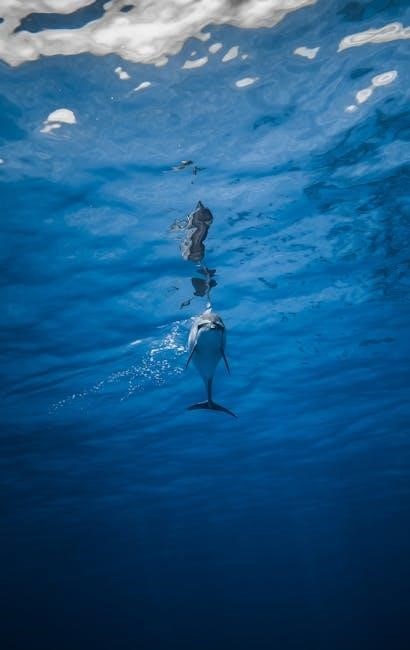
The Island Setting: San Nicolas Island
San Nicolas Island, the real-life inspiration for the novel’s setting, is one of the Channel Islands of California. The Island of the Blue Dolphins PDF vividly portrays its rugged beauty and isolation, mirroring the geographical reality of this remote location.
Historically inhabited by the Nicoleno people, the island’s landscape – characterized by cliffs, beaches, and unique flora and fauna – profoundly shaped their way of life. The PDF allows readers to visualize this environment, understanding its impact on Karana’s survival.
Today, San Nicolas Island is primarily used by the U;S. Navy for missile testing. Access is restricted, adding to the mystique surrounding this significant location, forever linked to Juana Maria’s story and O’Dell’s enduring novel.