Jerry Thomas’ Bartenders Guide: A Comprehensive Overview
Jerry Thomas’s 1862 Bartenders Guide‚ initially titled How to Mix Drinks‚ revolutionized American bartending‚ establishing foundational cocktail recipes and techniques.
Historical Significance & First Edition
Jerry Thomas’s Bartenders Guide: How to Mix Drinks‚ published in 1862‚ holds immense historical weight as the very first published book dedicated to the art of American mixology. Prior to this‚ cocktail recipes were largely undocumented and passed down orally amongst bartenders. The initial print‚ known as How to Mix Drinks‚ or The Bon-Vivants Companion‚ was a groundbreaking achievement‚ codifying cocktail culture for the first time.
The first edition is exceptionally rare‚ with only a handful of copies remaining in institutional collections worldwide. Its scarcity contributes significantly to its value and importance as a historical artifact. This pioneering work not only documented existing drinks but also showcased Thomas’s innovative creations‚ shaping the future of cocktail development and establishing him as the “Father of American Mixology.”
Publication Details: 1862 Origins
Jerry Thomas’s Bartenders Guide: How to Mix Drinks‚ or The Bon-Vivants Companion‚ emerged in 1862‚ published by Dick & Fitzgerald in New York. This initial release wasn’t simply a recipe collection; it included “A Manual for the Manufacture of Cordials‚ Liquors‚ Fancy Syrups‚ etc.” appended by Christian Schultz‚ recognizing a bartender’s need for complete production knowledge.
The book’s timing coincided with the burgeoning cocktail culture in post-Civil War America. It represented a shift towards standardized drink preparation and a growing appreciation for refined beverages. The 1862 edition established the format for future bartending literature‚ blending recipes with practical guidance. Subsequent reprints and modern editions consistently reference this foundational work‚ solidifying its place as the cornerstone of cocktail history.
The Full Title: “How to Mix Drinks‚ or The Bon-Vivants Companion”
The complete title‚ “How to Mix Drinks‚ or The Bon-Vivants Companion‚” encapsulates the book’s dual purpose. It wasn’t merely a guide to beverage creation‚ but a manual for those embracing a sophisticated lifestyle – the “bon vivants” – who appreciated fine drinks and convivial company. This phrasing reflects the social context of the 1860s‚ where elaborate cocktails were becoming symbols of status and enjoyment.
The title’s length and elegance hint at the detailed content within. It promised not just recipes‚ but a pathway to becoming a skilled host and a connoisseur of mixed drinks. This aspirational quality contributed to the book’s immediate popularity and enduring legacy‚ establishing it as more than just a practical guide‚ but a cultural touchstone.

The Author: Jerry Thomas – The “Father of American Mixology”
Jerry Thomas‚ a renowned 19th-century bartender‚ earned the title “Father of American Mixology” through his innovative drinks and influential 1862 bartending guide.
Thomas’s Background and Career
Jerry Thomas began his bartending career in New York City in the 1850s‚ initially at the Oyster Saloon before moving to more prominent establishments like the City Hotel and later‚ El Dorado Saloon in San Francisco during the Gold Rush. He quickly gained notoriety for his showmanship and elaborate cocktail presentations‚ often involving flaming liquors and skillful pouring techniques.
Thomas wasn’t simply a drink-maker; he was a performer‚ elevating bartending to an art form. His career spanned several decades‚ taking him across the United States and even to Europe‚ where he further honed his skills and expanded his repertoire. He became a highly sought-after bartender‚ known for his creativity and ability to cater to the tastes of a discerning clientele. This experience ultimately culminated in the publication of his groundbreaking guide.
His Influence on Cocktail Culture
Jerry Thomas fundamentally shaped American cocktail culture‚ transitioning it from simple mixed drinks to a sophisticated and refined art. Before his 1862 Bartenders Guide‚ cocktail recipes were largely undocumented and passed down orally‚ leading to inconsistency. Thomas standardized recipes‚ providing precise measurements and instructions‚ fostering a more professional approach to bartending.
His book wasn’t just a collection of recipes; it codified a methodology‚ influencing generations of bartenders. He popularized previously obscure ingredients and techniques‚ elevating the status of the bartender from a mere server to a skilled craftsman. Thomas’s emphasis on presentation and showmanship also contributed to the glamour associated with cocktail culture‚ establishing a legacy that continues to inspire mixologists today.

Content Breakdown: What’s Inside the Guide?
The Bartenders Guide features extensive cocktail and punch recipes‚ plus detailed instructions for crafting cordials‚ liqueurs‚ and flavorful‚ homemade fancy syrups.
Cocktail Recipes: A Vast Collection
Jerry Thomas’s Bartenders Guide boasts a remarkably extensive collection of cocktail recipes‚ solidifying its place as a cornerstone of mixology history. The book doesn’t merely list ingredients; it meticulously details preparation methods‚ offering a glimpse into the sophisticated bar culture of the 19th century. From simple concoctions to elaborate‚ multi-step drinks‚ the guide caters to a wide range of tastes and skill levels.
These recipes weren’t simply gathered; they represented Thomas’s own innovations and adaptations‚ alongside popular drinks of the era. The sheer volume of recipes – hundreds in total – demonstrates the burgeoning popularity of cocktails and the increasing complexity of drink creation. This section truly showcases the breadth of Thomas’s knowledge and influence on the developing art of the cocktail.
Punch Recipes: Traditional & Elaborate
Jerry Thomas’s Bartenders Guide dedicates significant space to punch recipes‚ reflecting the beverage’s prominence in 19th-century American social life. These weren’t the simple‚ single-batch punches of today; Thomas details incredibly elaborate recipes‚ often requiring significant preparation and a variety of exotic ingredients. He provides instructions for both individual servings and large-scale punches intended for gatherings and celebrations.
The punch recipes showcase a tradition of communal drinking and hospitality. Thomas’s instructions emphasize presentation as much as taste‚ detailing how to properly layer ingredients and garnish the finished punch. These recipes demonstrate a level of artistry and showmanship‚ elevating punch-making to a refined skill. They represent a key element of the era’s drinking culture.
Cordials & Liqueurs: Manufacturing Instructions
Jerry Thomas’s Bartenders Guide uniquely extends beyond simply mixing drinks‚ delving into the creation of essential ingredients. A substantial appendix‚ often attributed to Christian Schultz‚ provides detailed instructions for manufacturing cordials and liqueurs. This section wasn’t intended for casual bartenders‚ but rather for those aiming for complete self-sufficiency and control over their bar’s inventory.
These recipes detail processes like infusion‚ maceration‚ and distillation‚ offering insights into 19th-century beverage production. Thomas outlines methods for creating flavors from fruits‚ herbs‚ and spices‚ allowing bartenders to craft bespoke ingredients. This aspect of the guide highlights the resourcefulness and skill expected of professional bartenders during that period‚ showcasing a holistic approach to the craft.
Fancy Syrups: Creating Flavor Bases
Jerry Thomas recognized the crucial role of flavored syrups in elevating cocktail complexity‚ dedicating significant space in his Bartenders Guide to their creation. He provides recipes for a diverse range of “fancy syrups‚” moving beyond simple sugar solutions to incorporate ingredients like raspberries‚ peaches‚ and even more exotic flavors of the time.
These weren’t merely sweeteners; they were foundational flavor components‚ allowing bartenders to build nuanced and layered drinks. Thomas details precise methods for extracting and preserving these flavors‚ emphasizing the importance of quality ingredients and careful technique. This focus on homemade syrups demonstrates a commitment to freshness and customization‚ setting a high standard for cocktail craftsmanship.
Key Recipes & Notable Drinks
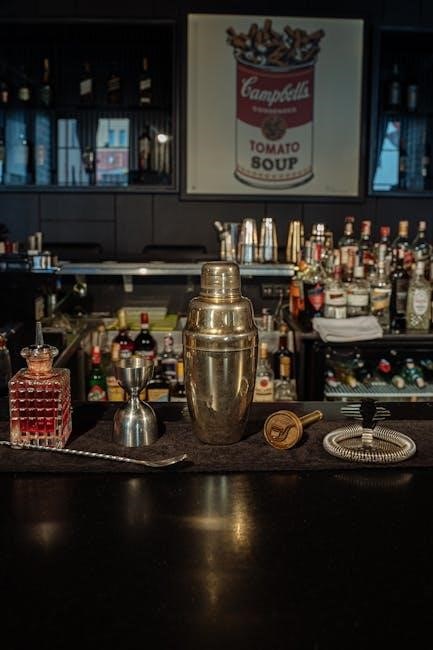
Thomas’s guide features iconic recipes like the Martinez‚ Blue Blazer‚ and Improved Whiskey Cocktail‚ showcasing innovative techniques and flavor combinations that defined 19th-century mixology.
The Martinez: A Precursor to the Martini
The Martinez‚ detailed within Jerry Thomas’s Bartenders Guide‚ holds a significant place in cocktail history as a direct ancestor to the modern Martini. This complex drink‚ originating in Martinez‚ California‚ during the Gold Rush era‚ showcases a fascinating blend of Old Tom gin‚ sweet vermouth‚ maraschino liqueur‚ and a dash of bitters.
Thomas’s recipe‚ while varying slightly across interpretations‚ establishes the core components that would eventually evolve into the drier‚ more streamlined Martini we know today. It represents a pivotal step in the development of spirit-forward cocktails‚ moving away from the heavily sweetened punches popular at the time. The Martinez’s nuanced flavor profile and sophisticated presentation cemented its status as a favorite among discerning drinkers and a landmark achievement in early American mixology.
The Blue Blazer: A Flaming Spectacle
Jerry Thomas’s Bartenders Guide famously features the Blue Blazer‚ a visually stunning and dramatically presented cocktail. This drink isn’t merely about taste; it’s a performance. The recipe involves igniting a mixture of absinthe and sugar‚ then transferring the flame between two pewter mugs in a dazzling arc of blue fire.
Thomas emphasized the showmanship inherent in bartending‚ and the Blue Blazer perfectly embodies this philosophy. Beyond the spectacle‚ the drink delivers a unique flavor profile – a warming blend of absinthe’s anise notes and subtle sweetness. It’s a testament to Thomas’s skill‚ requiring precision and flair to execute safely and effectively‚ solidifying his reputation as a master showman and innovator within the burgeoning cocktail culture.
The Improved Whiskey Cocktail: A Classic Variation
Jerry Thomas’s Bartenders Guide presents the Improved Whiskey Cocktail as a refined evolution of earlier whiskey-based drinks. Unlike simpler iterations‚ this version incorporates sugar‚ bitters‚ a maraschino liqueur‚ and a lemon peel‚ creating a more complex and balanced flavor profile. Thomas meticulously details the proportions‚ emphasizing the importance of quality ingredients for optimal results.
The “improved” designation signifies a move towards sophistication in cocktail making‚ reflecting the growing demand for nuanced and flavorful beverages. This recipe showcases Thomas’s understanding of flavor layering and his commitment to elevating the art of bartending. It remains a beloved classic‚ demonstrating the enduring influence of his pioneering work and continues to inspire modern mixologists.
Impact and Legacy of the Guide
Jerry Thomas’s 1862 guide stands as the first published American cocktail book‚ profoundly shaping bartending and inspiring subsequent literature for generations of mixologists.
First Published Cocktail Book
Jerry Thomas’s Bartenders Guide: How to Mix Drinks‚ released in 1862‚ holds the distinguished title of being the first book solely dedicated to the art of cocktail creation in America. Before its publication‚ cocktail recipes were largely passed down orally or appeared sporadically in other publications. This groundbreaking work compiled a vast collection of recipes‚ moving beyond simple instructions to detail techniques and showcase the flair of a professional bartender.
Its significance lies not just in what it contained‚ but in the fact that someone recognized the value of codifying this emerging drink culture. The guide elevated bartending from a trade to a profession‚ and cemented Jerry Thomas’s place as a pioneer. It provided a standardized resource‚ influencing how drinks were made and perceived for decades to come‚ and continues to be studied today.
Influence on Subsequent Bartending Literature
Jerry Thomas’s Bartenders Guide didn’t just define a moment in cocktail history; it established a blueprint for all subsequent bartending literature. Its detailed recipes‚ precise instructions‚ and inclusion of manufacturing processes for cordials and syrups set a new standard. Later guides frequently referenced and adapted recipes directly from Thomas’s work‚ acknowledging its foundational role.
The guide’s format – a comprehensive collection organized by drink type – became a common structure for future publications. It legitimized the practice of documenting cocktail recipes‚ encouraging others to contribute to the growing body of knowledge. Even today‚ modern bartenders and cocktail historians recognize its enduring impact‚ studying it to understand the evolution of drink culture and appreciate the origins of classic cocktails.
Modern Reprints and Editions
Due to its historical significance and enduring appeal‚ Jerry Thomas’s Bartenders Guide has seen numerous modern reprints and editions. Recognizing its status as the first published cocktail book‚ publishers have released facsimiles of the original 1862 edition‚ allowing enthusiasts to experience the text as it was initially presented. These reprints often include supplementary materials‚ such as historical context and biographical information about Thomas himself.
Beyond exact reproductions‚ updated editions offer modernized language and ingredient sourcing‚ making the recipes more accessible to contemporary bartenders and home mixologists. These versions aim to bridge the gap between Victorian-era techniques and modern palates‚ ensuring the guide’s continued relevance. Both reprint types demonstrate the lasting legacy and continued demand for this seminal work.
Rarity and Collectibility
First editions of Jerry Thomas’s Bartenders Guide are exceptionally rare‚ with only nine copies recorded in institutions globally‚ making it highly sought after.
First Edition Scarcity
The original 1862 first edition of Jerry Thomas’s Bartenders Guide: How to Mix Drinks‚ or The Bon-Vivants Companion is remarkably scarce. Its limited print run and the passage of time have contributed to its extreme rarity in the collecting world. Current records indicate that only nine copies of this foundational bartending text are held within institutions worldwide‚ highlighting its exceptional value to book collectors and cocktail historians.
Finding a genuine first edition presents a significant challenge‚ even for dedicated collectors. The book’s historical importance as the first published cocktail book further fuels demand‚ driving up its price and making it a prized possession. Copies appearing on the market often command substantial sums‚ reflecting their unique status and cultural significance.
Value and Preservation
Due to its extreme scarcity‚ a first edition of Jerry Thomas’s Bartenders Guide commands a very high value in the rare book market. Prices can reach tens of thousands of dollars‚ depending on the copy’s condition and provenance. Preservation is paramount for owners of this historical artifact. Careful handling‚ archival-quality storage‚ and protection from light‚ humidity‚ and temperature fluctuations are crucial.
Professional conservation treatments may be necessary to stabilize fragile bindings and pages. Collectors often utilize custom-made boxes and enclosures to safeguard their investment. Digitization efforts are also underway to create high-resolution scans‚ ensuring the book’s content remains accessible even as the physical copies require careful preservation for future generations of cocktail enthusiasts and historians.
Analyzing the Guide’s Style & Format
Thomas’s guide features detailed ingredient lists and precise instructions‚ reflecting Victorian-era language and a formal tone‚ essential for aspiring 19th-century bartenders.
Detailed Ingredient Lists
Jerry Thomas’s Bartenders Guide is renowned for its remarkably specific ingredient lists‚ a departure from the vague measurements common in earlier drink recipes. He doesn’t simply call for “whiskey”; instead‚ he specifies “Bourbon whiskey” or “Rye whiskey‚” providing clarity for the bartender.

Furthermore‚ Thomas meticulously details the preparation of essential components like syrups and cordials‚ often including instructions for their homemade creation. This level of detail extended to garnishes‚ ensuring a consistent and high-quality final product. The precision wasn’t merely about accuracy; it reflected a growing professionalism within the bartending trade‚ elevating it beyond simple dispensing of alcohol.
These comprehensive lists allowed bartenders‚ even those unfamiliar with a particular drink‚ to recreate it faithfully‚ contributing to the standardization of cocktail recipes and the burgeoning cocktail culture of the era.
Precise Instructions & Techniques
Jerry Thomas didn’t just list ingredients; his Bartenders Guide meticulously outlined the how of cocktail creation. He provided step-by-step instructions‚ detailing not only the order of addition but also the specific techniques required for each drink. This included precise stirring methods‚ shaking durations‚ and even the proper way to layer ingredients for visual appeal.
Thomas’s instructions weren’t limited to simple mixing. He described elaborate techniques like the “flash” method for creating heated cocktails and the proper way to perform flaming presentations‚ such as the iconic Blue Blazer.
This emphasis on technique elevated bartending to an art form‚ demanding skill and precision. He essentially codified bartending practices‚ establishing a standard for quality and consistency that influenced generations of bartenders.
Victorian-Era Language & Tone
Jerry Thomas’s Bartenders Guide is steeped in the linguistic style of the Victorian era. The writing is characterized by a formal‚ almost theatrical tone‚ reflecting the social customs of 1862. He employs elaborate phrasing and descriptive language‚ often using flowery prose to introduce recipes and describe the drinking experience.
The guide isn’t merely functional; it’s performative. Thomas frequently addresses the reader with a sense of convivial authority‚ as if guiding a friend through a sophisticated social ritual. This tone contributes to the book’s charm and provides insight into the culture of mid-19th century America.
Words like “Bon-Vivants” and the overall presentation showcase a refined sensibility‚ mirroring the aspirations of the era’s upper class.
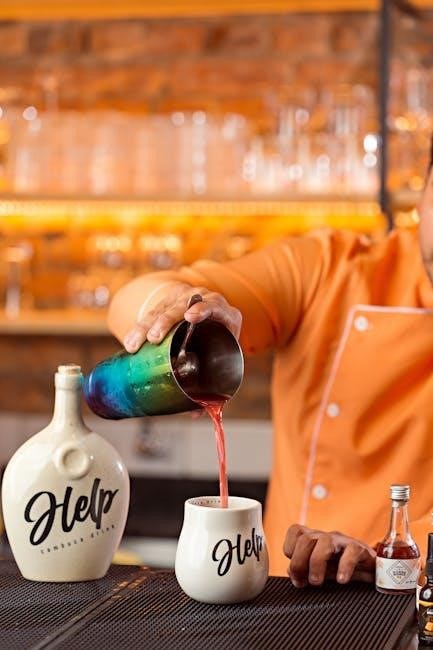
The Guide in the Context of 19th-Century America
Jerry Thomas’s guide emerged during a surge in American cocktail culture‚ reflecting evolving social drinking habits and the growing prominence of skilled bartenders.
The Rise of Cocktail Culture
Prior to the mid-19th century‚ mixed drinks were largely simple combinations‚ often enjoyed at home. However‚ the decades leading up to and following the publication of Jerry Thomas’s Bartenders Guide witnessed a dramatic shift. Urban centers experienced a burgeoning social scene‚ with saloons and hotels becoming increasingly popular gathering places.

This environment fostered a demand for more complex and refined beverages. Bartenders‚ previously seen as simply dispensers of alcohol‚ began to be recognized for their skill and creativity. Thomas’s guide directly fueled this trend‚ providing a standardized repertoire of recipes and elevating the profession. The guide’s detailed instructions empowered bartenders to craft consistent‚ high-quality drinks‚ contributing significantly to the formalization of cocktail culture in America.
Social Drinking Habits of the Time
In the mid-19th century‚ social drinking in America was markedly different from modern practices. Saloons served as central hubs for social and business interactions‚ particularly for men. Consumption wasn’t solely focused on intoxication; drinks were often savored and accompanied by conversation and entertainment.
The era also saw a preference for elaborate‚ multi-ingredient drinks‚ reflecting a desire for sophistication and novelty. Punches‚ cordials‚ and increasingly‚ cocktails‚ were popular choices. Jerry Thomas’s Bartenders Guide catered directly to these habits‚ offering recipes for both simple and complex concoctions. The guide’s publication coincided with‚ and arguably amplified‚ a growing societal acceptance of refined drinking experiences.
The Role of Bartenders in Society
During the 19th century‚ bartenders held a unique and influential position within American society. They were more than just drink servers; they were often trusted confidants‚ news disseminators‚ and even informal counselors. A skilled bartender possessed extensive knowledge of spirits‚ mixing techniques‚ and social etiquette‚ cultivating a loyal clientele.
Jerry Thomas elevated this profession through his showmanship and published expertise. His Bartenders Guide formalized bartending practices‚ transforming it from a largely intuitive craft into a recognized skill. The guide empowered bartenders with standardized recipes and techniques‚ enhancing their professional standing and contributing to the burgeoning cocktail culture.