2010 Toyota Corolla S Manual: A Comprehensive Overview
The 2010 Toyota Corolla S manual offers a compelling blend of efficiency and driver engagement․ Featuring a 5-speed manual transmission (S51, S53, S54 models), it delivers a responsive driving experience․
The 2010 Toyota Corolla S with a manual transmission represents a sweet spot for driving enthusiasts seeking a reliable and engaging compact car․ This model year offered a compelling alternative to the automatic, providing drivers with greater control and a more connected feel to the road․ The S trim level, in particular, enhanced the Corolla’s sporty appeal with unique styling cues and a slightly more tuned suspension․
Central to the experience is the 5-speed manual gearbox, available in several variations – S51, S53, and S54 – catering to different drivetrain configurations․ This transmission is designed for front and mid-engine applications, ensuring optimal weight distribution and handling characteristics․ The Corolla S manual wasn’t just about shifting gears; it was about experiencing a direct link between driver input and vehicle response․
This overview delves into the specifics of the 2010 Corolla S manual, covering everything from its key features and transmission details to maintenance and potential issues․ We’ll explore the compact DOHC engine that powers this vehicle, the intricacies of the shift linkage, and the overall driving experience it delivers․ Whether you’re a current owner or considering purchasing one, this guide aims to provide a comprehensive understanding of this popular Toyota model․
Key Features of the 2010 Corolla S
The 2010 Toyota Corolla S distinguished itself with a range of features designed to enhance both performance and aesthetics․ Beyond the availability of a responsive 5-speed manual transmission (S51, S53, S54 models), the S trim boasted a sport-tuned suspension, providing improved handling and a more engaging driving experience compared to the standard Corolla․
Styling enhancements included a unique front fascia with a mesh grille, a rear spoiler, and color-keyed side mirrors and door handles, giving it a more aggressive appearance․ Inside, the S model featured sport seats offering increased bolstering for better support during spirited driving․ Standard equipment included power windows, locks, and mirrors, as well as air conditioning and a sound system․
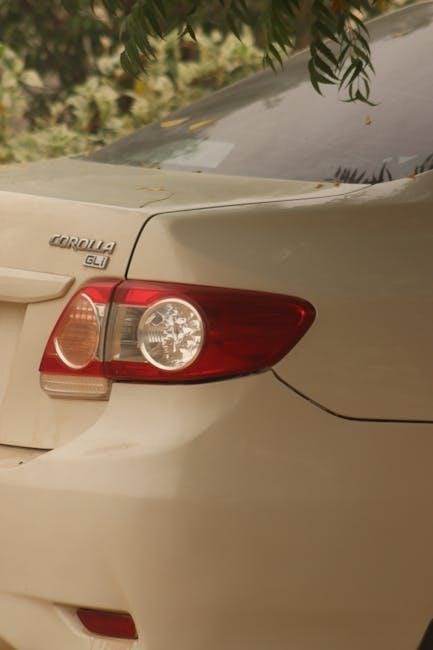
The Corolla S was equipped with a 1․8-liter, 16-valve DOHC engine, delivering a balance of power and fuel efficiency․ Steering was precise, with a left-hand drive configuration being standard․ Safety features were also a priority, contributing to Toyota’s reputation for reliability and occupant protection․ This combination of features made the 2010 Corolla S a compelling choice for drivers seeking a fun-to-drive and practical compact car․
Understanding the S-Series 5-Speed Manual Transmission
The S-series 5-speed manual transmission, utilized in the 2010 Toyota Corolla S (models S51, S53, and S54), is a robust and reliable unit designed for front and mid-engine applications․ It provides drivers with direct control over gear selection, enhancing the driving experience and offering improved fuel efficiency compared to automatic counterparts․
This transmission features a floor-mounted shift linkage, ensuring precise and confident gear changes․ The internal components are engineered for durability, contributing to the Corolla’s overall reputation for dependability․ Understanding its operation is key to proper maintenance and troubleshooting․ Regular fluid checks and replacements are crucial for optimal performance․
The transmission’s design allows for smooth engagement and disengagement of gears, minimizing wear and tear․ It’s paired with a compact DOHC engine, creating a well-balanced powertrain․ Proper clutch adjustment is essential for smooth shifting and preventing premature clutch wear․ The S-series transmission is a cornerstone of the Corolla S’s engaging driving dynamics․
S51, S53, and S54 Transmission Models
The 2010 Toyota Corolla S manual utilized three primary S-series transmission models: S51, S53, and S54․ While all are 5-speed manual transmissions designed for front-engine, front-wheel-drive applications, subtle variations existed, often related to specific production dates or regional markets․ Identifying the exact model can be crucial for sourcing correct replacement parts or diagnostic procedures․
These designations typically appear on the transmission housing or within vehicle documentation․ The core functionality remained consistent across all three – providing drivers with a direct mechanical connection to the engine for enhanced control and fuel efficiency․ They were paired with the 1․8-liter, 16-valve DOHC engine, delivering a balanced powertrain․
Although specific internal component differences may be minimal, referencing the correct model number ensures compatibility when performing maintenance, such as fluid changes or clutch replacements․ Understanding these distinctions is vital for technicians and enthusiasts alike, guaranteeing accurate repairs and optimal performance of the 2010 Corolla S’s manual transmission system․
Transmission and Transaxle Assembly Details
The 2010 Toyota Corolla S manual’s transmission functions as a transaxle, integrating the transmission and differential into a single unit․ This compact design optimizes space and contributes to the vehicle’s front-wheel-drive configuration․ The assembly includes the gear housing, input and output shafts, countershaft, gears, and various seals and bearings, all meticulously engineered for durability and smooth operation․
Gasket kits (ATM) are essential for maintaining the transaxle’s integrity during servicing, preventing fluid leaks and contamination․ Proper assembly requires adherence to Toyota’s specified torque values and procedures, ensuring correct gear mesh and bearing preload․ The transaxle’s casing is typically constructed from aluminum alloy, balancing strength with weight reduction․

Detailed assembly diagrams and service manuals are crucial for disassembly and reassembly, highlighting the precise order of components and the use of specialized tools․ Maintaining the cleanliness of all parts during service is paramount, preventing premature wear and ensuring long-term reliability of the 2010 Corolla S’s manual transmission system․
Gear Shift Type Specifications
The 2010 Toyota Corolla S manual features a floor-mounted, 5-speed manual transmission, designated with the gear shift type ‘M’․ This configuration provides the driver with direct control over gear selection, enhancing the driving experience․ The shift linkage connects the gear lever to the transmission, enabling precise and reliable gear changes․
In contrast, the automatic transmission option for the Corolla S is a 4-speed automatic, also floor-mounted and designated as type ‘P’․ The manual transmission’s shift pattern follows a conventional H-pattern, with clearly defined gates for each gear․ The gear ratios are optimized for a balance of acceleration and fuel efficiency․
The shift knob itself is designed for comfortable grip and intuitive operation․ Proper adjustment of the shift linkage is crucial for smooth and accurate gear engagement․ Regular inspection of the linkage for wear or looseness is recommended to maintain optimal performance․ The 5-speed manual offers a more engaging and connected driving experience compared to the automatic option․
Steering Wheel Position Details
The 2010 Toyota Corolla S manual is exclusively equipped with a left-hand drive (L) steering wheel position as a standard feature across all models․ This configuration places the steering wheel on the driver’s left side, aligning with the predominant driving standard in many countries․ The steering system itself is designed for responsive handling and precise control, complementing the engaging nature of the manual transmission․

The steering wheel’s diameter and grip are engineered for comfort and ease of use during extended driving periods․ Power steering is standard, reducing driver effort, particularly during low-speed maneuvers and parking․ The steering column is adjustable for both tilt and telescopic reach, allowing drivers to customize the steering wheel position for optimal comfort and control․
This adjustability ensures a comfortable driving posture for a wide range of driver sizes and preferences․ The steering wheel also integrates controls for essential functions, such as audio and potentially cruise control, enhancing convenience and safety․
Engine Specifications: Compact DOHC
The 2010 Toyota Corolla S manual primarily features a 1․8-liter, 16-valve DOHC (Double Overhead Camshaft) engine, designated with the engine specification code ‘K’․ This compact engine is renowned for its reliability and fuel efficiency, perfectly complementing the manual transmission’s driver-focused experience․ It utilizes Electronic Fuel Injection (EFI) for optimized combustion and performance․
The engine delivers a balanced power output, suitable for both city driving and highway cruising․ While specific horsepower and torque figures vary slightly depending on regional specifications, it generally produces around 132 horsepower and 128 lb-ft of torque․ This power is efficiently transferred to the front wheels via the 5-speed manual transmission․
The DOHC configuration enhances volumetric efficiency, contributing to improved power and fuel economy․ The engine’s design prioritizes durability and low maintenance, aligning with Toyota’s reputation for reliability․ It’s a four-cylinder engine, known for its smooth operation and responsive throttle․
Driving Experience with the Manual Transmission
The 2010 Toyota Corolla S manual provides a distinctly engaging driving experience compared to its automatic counterpart․ The 5-speed manual transmission grants drivers full control over gear selection, allowing for precise acceleration and engine braking․ This fosters a more connected feel with the vehicle and the road․
The shift linkage is generally considered precise, though not exceptionally sporty․ Clutch engagement is relatively light, making it manageable for both novice and experienced manual drivers․ The engine’s responsiveness, combined with the manual gearbox, encourages spirited driving, particularly on winding roads․
While not a performance car, the Corolla S manual offers a satisfying level of control and involvement․ The driver can optimize gear choices for fuel efficiency or performance, depending on driving conditions․ It’s a practical and enjoyable option for those who appreciate the tactile feedback and control of a manual transmission․

Maintenance Schedule for the Manual Transmission
Maintaining the manual transmission in a 2010 Toyota Corolla S is crucial for longevity and optimal performance․ Regular fluid checks are paramount; Toyota recommends inspecting the transmission oil level every 30,000 miles, and replacing it completely every 60,000 miles or 5 years, whichever comes first․ Using the correct GL-4 rated gear oil is essential․
Beyond fluid maintenance, inspect the shift linkage for wear or looseness during routine service․ Check for smooth and precise gear engagement․ Clutch inspection should occur at 60,000 miles, assessing for slippage or unusual noises․ Address any issues promptly to prevent further damage․
Regularly inspect the clutch master and slave cylinders for leaks․ A worn clutch disc will necessitate replacement, typically around 100,000 miles depending on driving habits․ Following this schedule ensures reliable operation and minimizes the risk of costly repairs, preserving the driving enjoyment of your Corolla S․
Common Issues and Troubleshooting
Several common issues can arise with the 2010 Toyota Corolla S manual transmission․ Difficulty shifting, particularly into first or reverse, often indicates low or contaminated transmission fluid․ Grinding noises during gear changes suggest worn synchronizers, requiring transmission disassembly and repair․
Clutch problems are frequent; slippage points to a worn clutch disc, while a spongy pedal may indicate air in the hydraulic system or a failing master/slave cylinder․ Shift linkage issues can cause imprecise shifting or difficulty selecting gears – inspect for worn bushings or bent components․
Troubleshooting begins with a fluid level check and inspection for leaks․ If shifting remains problematic, a professional diagnosis is recommended․ Ignoring these symptoms can lead to more extensive and expensive repairs․ Regular maintenance, as outlined in the schedule, significantly reduces the likelihood of these issues occurring․
Fluid Checks and Replacements

Maintaining proper fluid levels is crucial for the longevity of the 2010 Toyota Corolla S manual transmission․ Check the transmission fluid regularly – typically every 30,000 miles or 2 years, whichever comes first․ Locate the fill plug and level check plug on the transmission casing․
With the engine warm and running, carefully remove the level check plug․ Fluid should trickle out; if it doesn’t, or if it appears low, add the recommended Toyota Genuine Manual Transmission Fluid (MTF)․ Avoid overfilling․ Inspect the fluid’s condition; it should be clear and bright red․ Dark or murky fluid indicates contamination and necessitates a complete flush․
A full fluid replacement is recommended every 60,000 miles․ This involves draining the old fluid, replacing the drain plug washer, and refilling with fresh MTF․ Ensure proper disposal of used fluid․ Using the correct fluid type is paramount to prevent damage to internal components․

Clutch Adjustment and Replacement
Proper clutch operation is vital for smooth shifting in the 2010 Toyota Corolla S manual․ Clutch adjustment, though often minimal, ensures optimal engagement․ Check for free play in the pedal – typically around 0․5 to 1․0 inch․ Adjustment is usually performed at the clutch cable (if equipped) or hydraulic master cylinder․
Signs of a failing clutch include slipping (engine revs high without proportional speed increase), difficulty shifting, or a spongy pedal feel․ Clutch replacement is a more involved process, requiring removal of the transmission․ It’s recommended for experienced mechanics․
When replacing the clutch, always inspect the flywheel for wear or damage and resurface or replace it as needed․ Use a new release bearing and pilot bearing․ Ensure proper alignment of the clutch disc during installation․ Following the Toyota service manual’s torque specifications is crucial for a reliable repair․
Shift Linkage Inspection and Repair
The shift linkage in the 2010 Toyota Corolla S manual is critical for precise gear selection․ Regular inspection is key to identifying potential issues․ Look for worn or loose bushings, bent linkage components, or excessive play in the shifter assembly․ These can cause imprecise shifting, difficulty engaging gears, or even a complete inability to select certain gears․
A common symptom is a vague or sloppy shifter feel․ Repair often involves replacing worn bushings, which are relatively inexpensive and can significantly improve shift quality․ More severe damage to the linkage rods may require replacement․
Proper lubrication of the linkage pivot points is also important․ Ensure all connections are secure after any repair work․ If adjustments are needed, consult the Toyota service manual for specific procedures and specifications․ Ignoring shift linkage problems can lead to further damage to the transmission․
Interior Features of the 2010 Corolla S
The 2010 Toyota Corolla S manual boasts a surprisingly well-appointed interior for its class․ While focused on practicality, the ‘S’ trim adds sporty touches․ Expect to find supportive front seats, often featuring unique cloth upholstery with contrasting stitching․ A leather-wrapped steering wheel with integrated audio controls is a common feature, enhancing the driving experience․
The dashboard layout is straightforward and user-friendly, prioritizing ease of use․ Standard equipment typically includes air conditioning, a CD player with auxiliary input, and power windows and locks․ The instrument cluster is clear and easy to read, providing essential vehicle information at a glance․
Rear passenger space is adequate for adults on shorter journeys․ Though not luxurious, the interior materials are durable and well-assembled․ The overall ambiance is one of functional comfort, designed to withstand daily use․
Exterior Design and Styling
The 2010 Toyota Corolla S manual presents a relatively conservative, yet modern exterior design; The ‘S’ trim level distinguishes itself from the base Corolla with several sporty enhancements․ A more aggressive front fascia, incorporating a mesh grille and fog lights, immediately sets it apart․ A rear spoiler adds a subtle touch of athleticism to the sedan’s profile․
Body-colored side mirrors and door handles further contribute to a cohesive and visually appealing aesthetic․ Alloy wheels, typically 16 or 17 inches in diameter, are standard, enhancing the vehicle’s overall stance․ The Corolla S maintains a balanced and proportionate silhouette, avoiding overly flamboyant styling cues․
While not a head-turning design, the exterior is clean, functional, and reflects Toyota’s reputation for reliability․ The overall impression is one of understated elegance and practicality, appealing to a broad range of buyers․
Safety Features and Ratings
The 2010 Toyota Corolla S manual prioritizes occupant safety, equipped with a comprehensive suite of standard features․ Front and side airbags are standard for both front and rear passengers, complemented by side curtain airbags․ Anti-lock brakes (ABS) are included, working in conjunction with electronic brake-force distribution (EBD) and brake assist to enhance stopping power and control․
Vehicle Stability Control (VSC) and Traction Control System (TCS) are also standard, helping to maintain directional stability during challenging driving conditions․ The Corolla S benefits from Toyota’s robust body structure, designed to absorb and dissipate impact energy in the event of a collision․
In crash tests conducted by the National Highway Traffic Safety Administration (NHTSA), the 2010 Corolla received excellent ratings․ The Insurance Institute for Highway Safety (IIHS) also awarded it top scores for frontal offset, side impact, and roof strength tests, solidifying its reputation as a safe and reliable vehicle․
Performance and Fuel Economy
The 2010 Toyota Corolla S manual delivers a balanced performance profile, prioritizing fuel efficiency without sacrificing drivability․ Powered by a 1․8-liter, 16-valve DOHC engine, it produces adequate power for everyday commuting and highway driving․ The 5-speed manual transmission allows for precise gear selection and a more engaging driving experience․
While not a sports car, the Corolla S offers responsive acceleration and predictable handling․ Front-wheel drive ensures stable cornering, and the manual transmission provides drivers with greater control over engine speed and power delivery․ The compact DOHC engine is tuned for efficiency, contributing to impressive fuel economy figures․
EPA estimates for the 2010 Corolla S manual are around 26 mpg city and 35 mpg highway, making it an economical choice for daily drivers․ These figures are competitive within its class, and the manual transmission often yields slightly better fuel economy than the automatic counterpart․
Availability and Market Value
The 2010 Toyota Corolla S manual, while no longer in production, remains relatively common in the used car market as of February 3, 2026․ Availability varies depending on location and condition, but numerous examples can be found through online marketplaces and used car dealerships․
Market value is influenced by factors such as mileage, overall condition, and regional demand․ Generally, a well-maintained 2010 Corolla S manual with average mileage (80,000 ౼ 120,000 km, similar to examples seen in Dar Es Salaam) typically falls within the $4,000 to $8,000 price range․ Lower mileage and pristine condition examples can command higher prices․
The Corolla’s reputation for reliability and low maintenance costs contributes to its sustained value․ Compared to other vehicles from the same year, the Corolla S manual often holds its value well․ Prospective buyers should thoroughly inspect any vehicle before purchase, considering factors like transmission health and maintenance records․